Custom Firmware Is Booming: Mods for Octatrack, SP-404MKII, and More
Octatrack, MPC, SP-404MKII: What These Mods Can Do

 5,0 / 5,0 |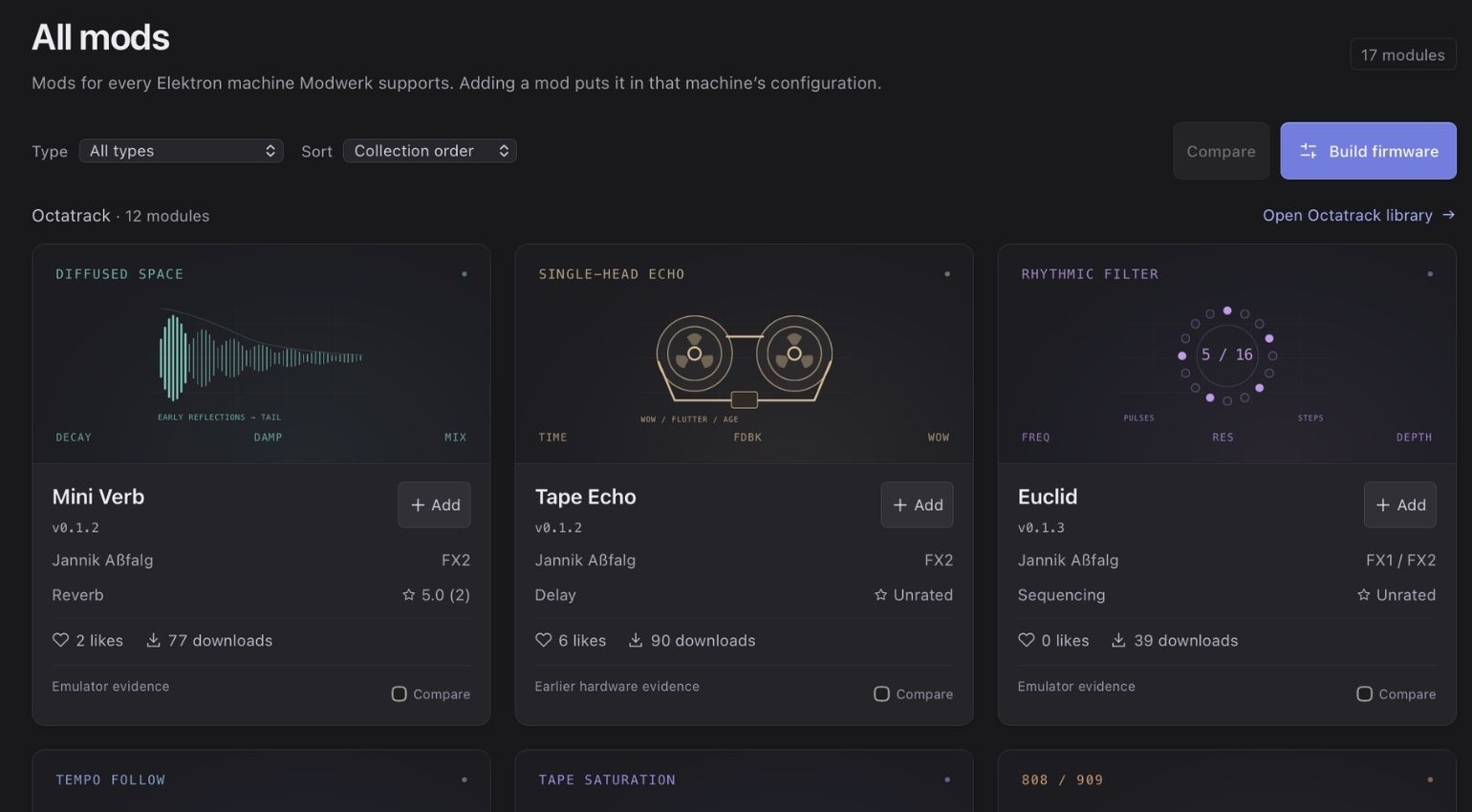
Custom Firmware Is Booming: Mods for Octatrack, SP-404MKII, and More · Source: modwerk.app

Custom firmware for hardware used to be a niche hobby for tinkerers who read assembly for fun. That’s changing fast: within days, new mods landed for the Elektron Octatrack, Digitakt, and Model:Cycles, the Roland SP-404MKII, the Akai MPC500, the 1010music Blackbox, the M-VAVE FM-1, and more. Elektron is reacting to this wave of custom firmware in no uncertain terms, and the risk of bricking a unit is real. The list is long, and it grows daily. Here’s a rundown of the most interesting mods right now.
Custom Firmware for Hardware: Which Mods Exist and What Could Go Wrong
Custom Firmware Meets Vibe Coding: Why So Many Mods Are Appearing Now
All this new custom firmware comes down to AI and vibe coding, of course. Both make it far easier to pick apart an original firmware and rewrite it into custom firmware. Where you once spent weeks dissecting binaries and mapping memory, an assistant now handles the groundwork. Elektron itself talks about a wave that appears to be partly AI-assisted.
I find mods like these exciting, and not just as a user but for the developers behind the hardware, too. Ableton Move already shows where this can lead: with Move Everything / Schwung, a second layer runs next to the official firmware, and the community fills it with synths and effects. Movy now even gives the Move 16 tracks and an Elektron-style sequencer. Sweet! Here’s hoping projects like these inspire manufacturers to think along the same lines.
Most current custom firmware projects follow the same recipe: you download your own copy of the official firmware, a tool patches the new code in, and you flash the result onto your unit. The developers generally don’t ship any Elektron, Roland, or Akai files. The original features usually stay intact, and the mods simply sit on top. Here’s the most interesting custom firmware, sorted by manufacturer.
Elektron: New Mods for the Octatrack, Digitakt, and Model:Cycles
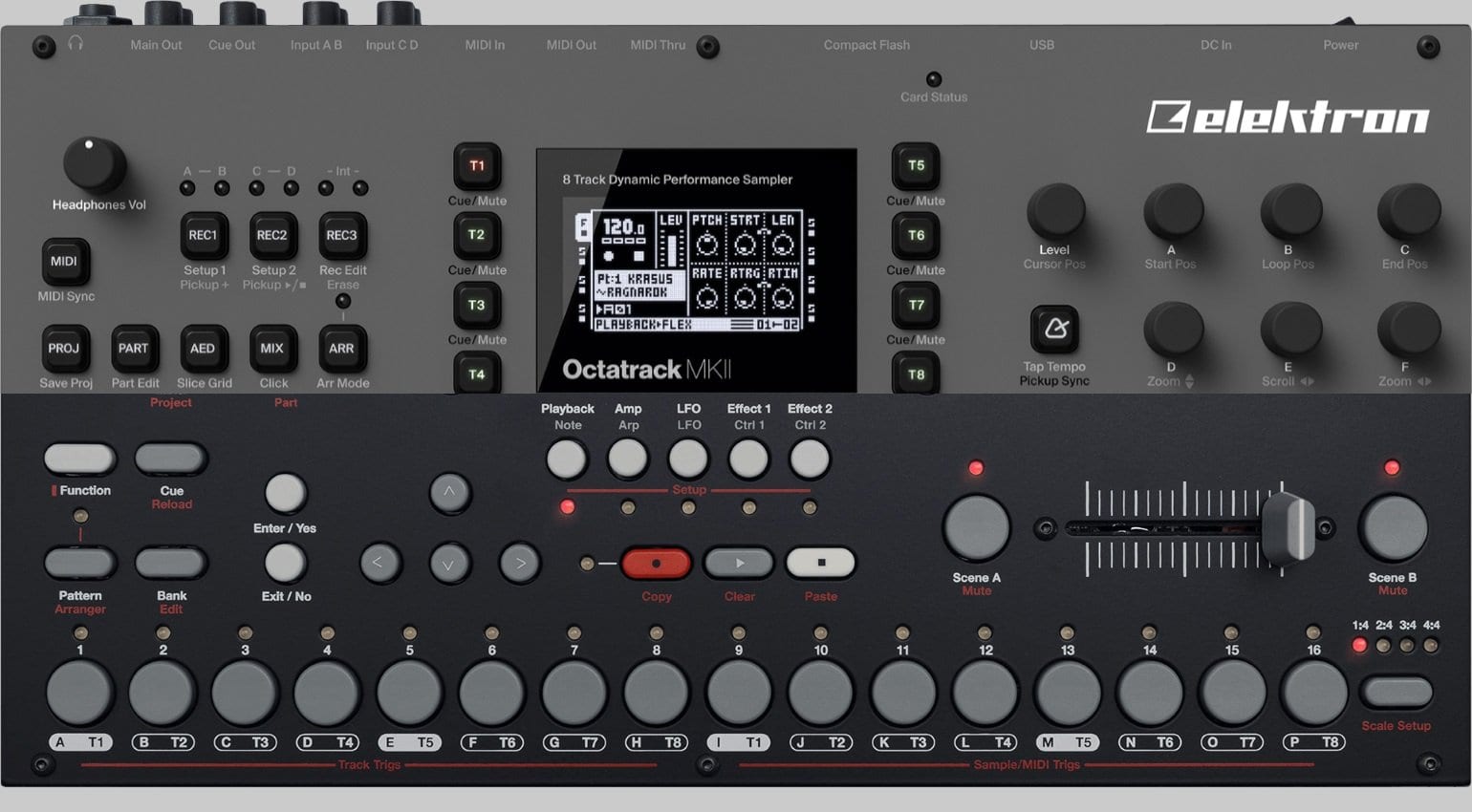
Octatrack: Modwerk and octabam
Octamod is now Modwerk.app. The old name no longer fit, because this custom firmware hub covers a lot more than the Octatrack these days. On the site, you browse mods by device, read up on what they do, and put together your own configuration. Every module comes with instructions, screenshots, tutorials, and credits for the original authors. There’s also a forum with a section for each Elektron device and a shared SDK for anyone who wants to build their own mods.
The firmware processing runs locally in your browser, using your own copy of the original OS file, so your firmware stays on your own device. Supported at first are the Octatrack MKI and MKII, the Digitakt mk1, and the Digitone mk1 and Keys. Research on the Digitakt II and Digitone II is underway. Modwerk calls itself an unofficial community project, independent of Elektron. Very interesting!
One of the foundations is octabam, a fork of octamax. It writes original DSP effects for the Octatrack MKII and patches them into the official OS. ChonVerb is a reverb with Room, Plate, Hall, and Big modes, plus pre-delay and mid/side width. The real trick is the send bus: all eight tracks feed one shared reverb and one shared delay, something the hardware was never designed to do. BongDelay, on the other hand, is still an untested first draft according to the README. The developers issue a clear warning: an unofficial OS can leave the Octatrack unusable and put your warranty at risk.
Oh, and one more thing: some tinkerers are already working on a mod that would let you hook the new Elektron Outbox 8 up to the Octatrack, for clean recordings of your live sets.
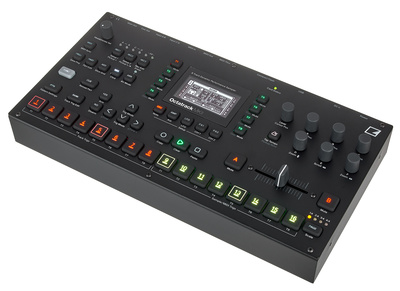
You can also find the original, the Elektron Octatrack MKII, right here at Thomann* / Sweetwater*.



Digitakt MK1: Digisophie
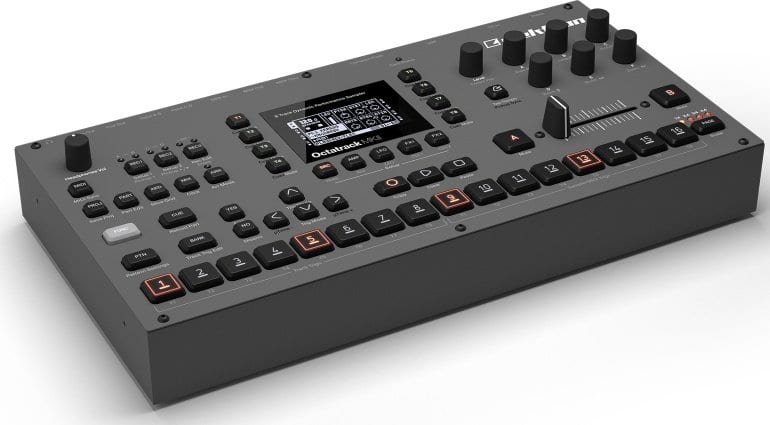
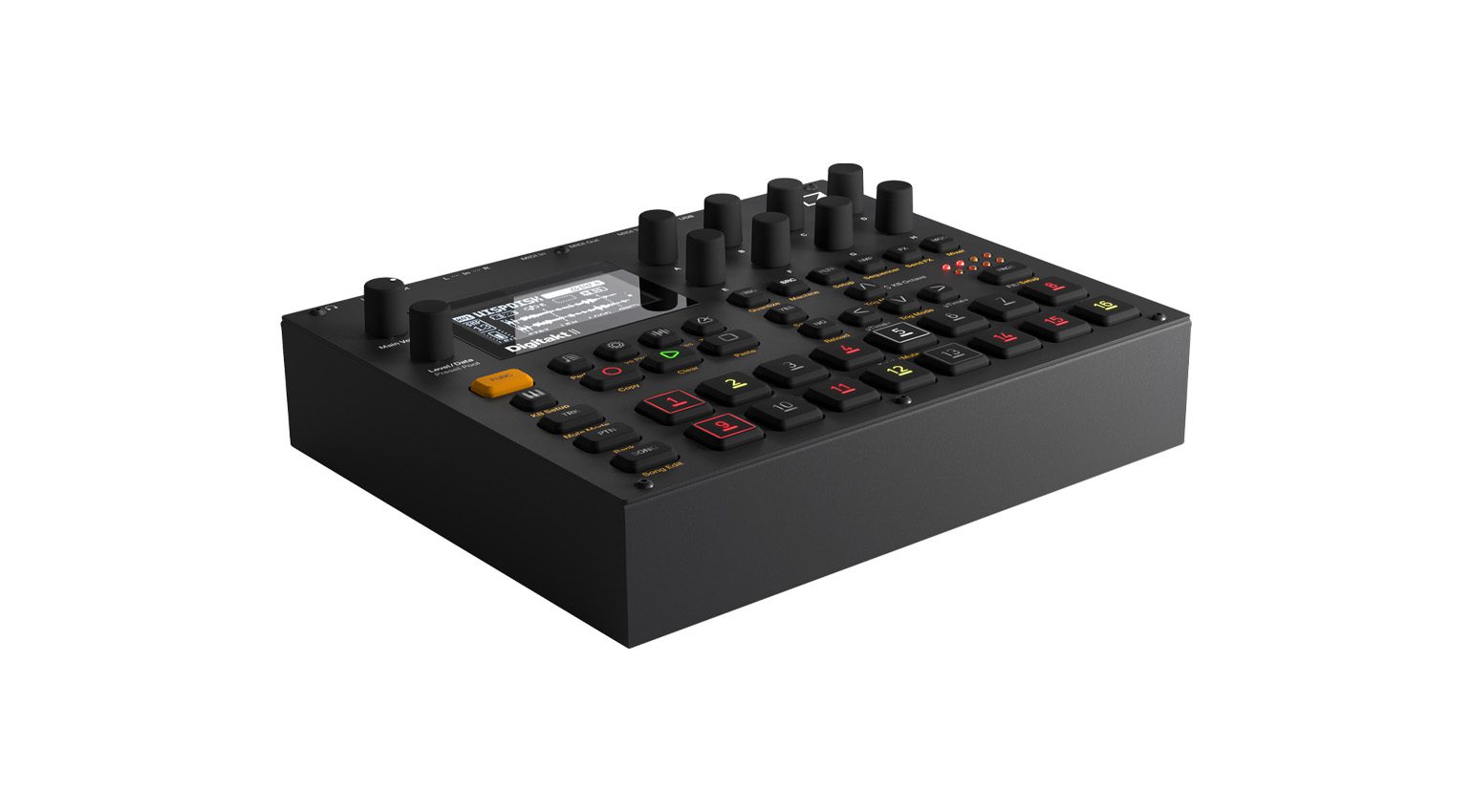
The Digitakt MK1 has long since been replaced by the Digitakt II, but the community isn’t letting go and keeps writing custom firmware for it. Soejrd gives it a metallic percussion synth called Digisophie. It’s based on Sophie for Schwung by Matt Estela and runs on OS 1.53. Four models are on offer: Fuse, Boom, Pipe, and Shard. Eight parameters can be automated with parameter locks, including Tune, Fold, Sweep, Metal, and Feedback. The voice runs through the Digitakt’s amp, filter, mixer, and effects, so it stays inside the familiar workflow.
To install it, you need the Sophie mod, the elekloader, and your own original OS 1.53. Soejrd recommends backing up your projects and sounds first and keeping a stock firmware file around for recovery. Good advice.
The successor, the Digitakt II, is available at Thomann* / Sweetwater* as well.
Model:Cycles: Modded Cycles and Model-TG
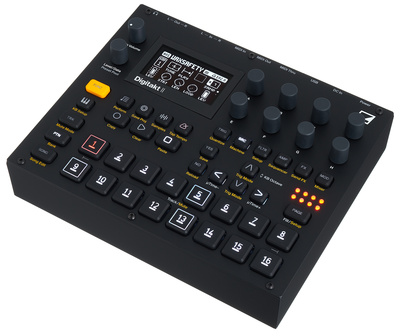
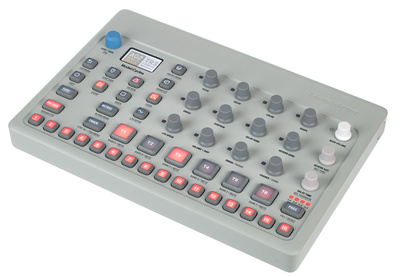
Two projects are in play for the Model:Cycles. Modded Cycles by 18nelli18 puts the Model:Samples OS inside the Cycles firmware. That means the FM drum synth boots as a sampler (!) that takes your own samples. You also get USB audio with a dedicated channel per track (48 kHz, 32 bit), so you can record all six tracks separately in your DAW. Add a latching mute mode, a trig preview, and scrolling names in the sound browser. A seventh machine is still experimental, and Syntakt engines are even supposed to load from your own Syntakt OS file. Wow!
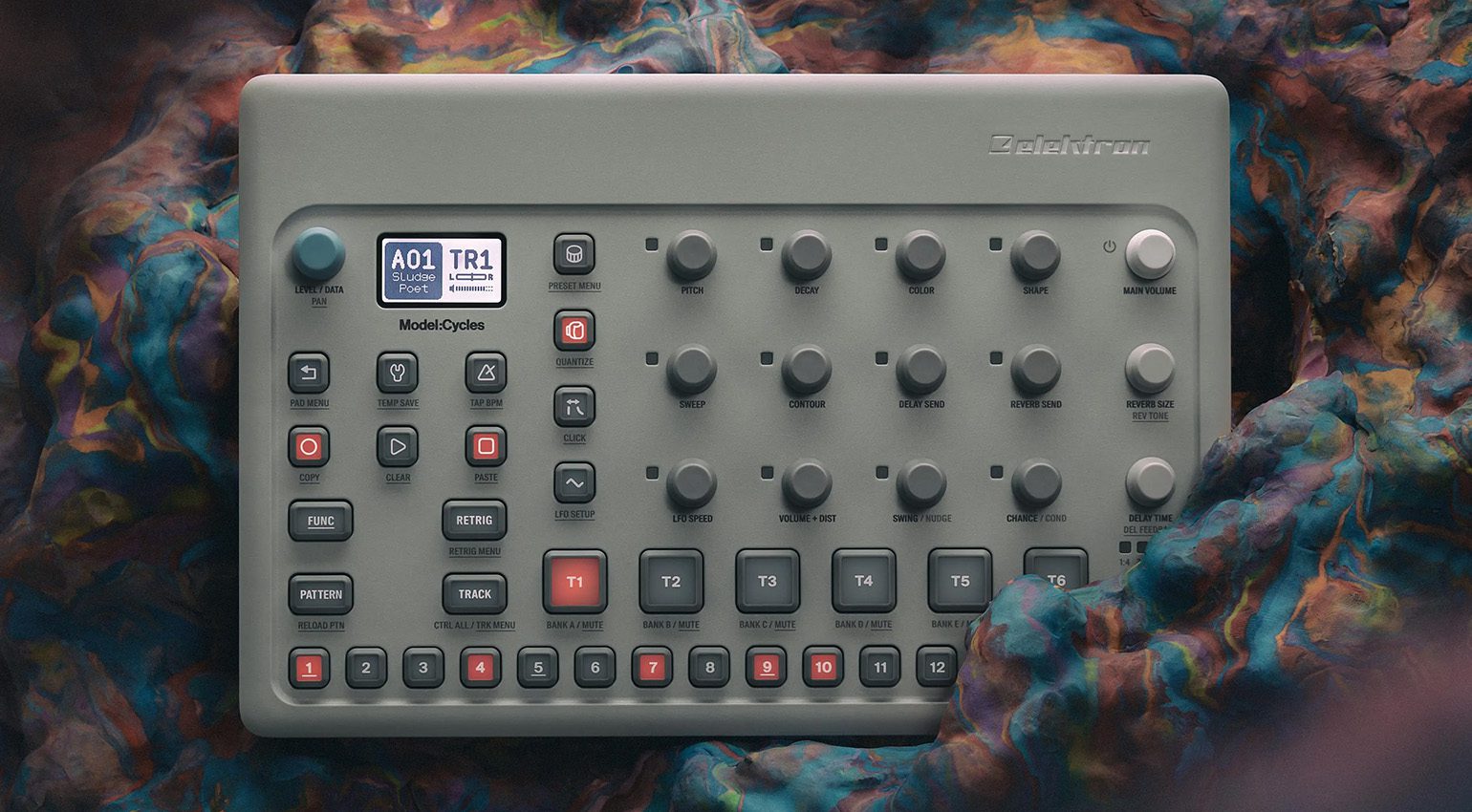
Model-TG by TinyGreg also adds a seventh machine. The sampler plays stereo samples in seven modes, including granular, stretch, Karplus-Strong pluck, and wavetable. On top of that come a slice editor, internal resampling, a retrig page with beat repeat, and twelve master effects. Every FM machine gets an attack control and a filter with cutoff and resonance. Scale lock, sample upload via Elektron Transfer, and a system page with a CPU meter are on board, too. Multitrack USB audio is missing here, since only Modded Cycles offers that. Both custom firmware versions are free.
Naturally, you can pick up the original Elektron Model:Cycles at Thomann*, too.
Roland SP-404MKII: DOOM OS Adds a Grid Sequencer and Mixer
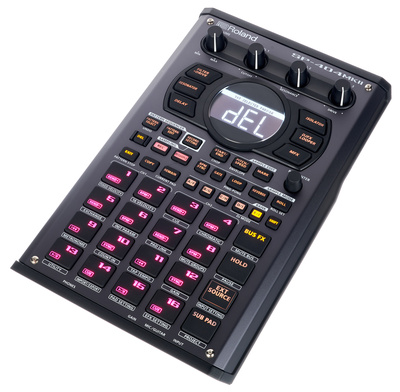
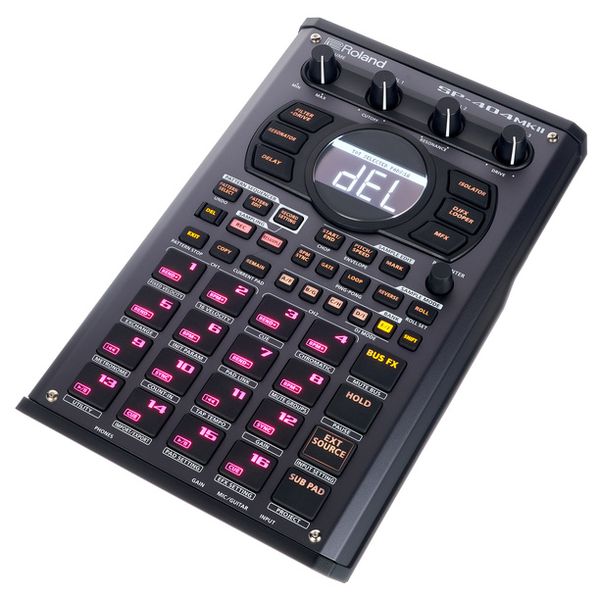
Dutch developer Quintus Oostendorp of Klangfeld Labs wrote DOOM OS, a custom firmware that runs as a shadow OS on the Roland SP-404MKII. This custom firmware is based on firmware 5.52, currently sits at alpha 0.6, and doesn’t replace the original. You get in by pressing REMAIN plus SUB PAD, and a dedicated patcher handles the flashing.
The centerpiece is a graphical pattern sequencer: one row per pad, one column per step, with the playhead running across live. Tap a pad to set a step, then shape it with the knobs. A piano roll, live recording with a rehearse mode, a mixer with level meters per track, and effect automation for the CTRL knobs round it out. Up to eight custom shortcuts and a help mode are meant to tame the many button combos. Still, alpha software belongs on a test unit, not in your live rig. You’ll find the code and the patcher on GitHub.
The Roland SP-404MKII is available right here at Thomann* / Sweetwater*.

1010music Blackbox: Lo-Fi Modes, Chords, and Conditions
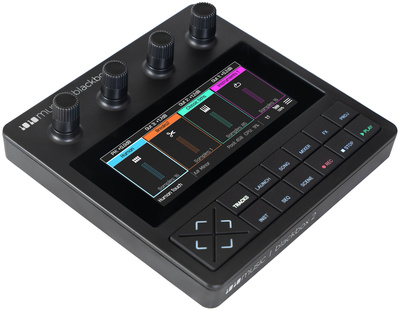
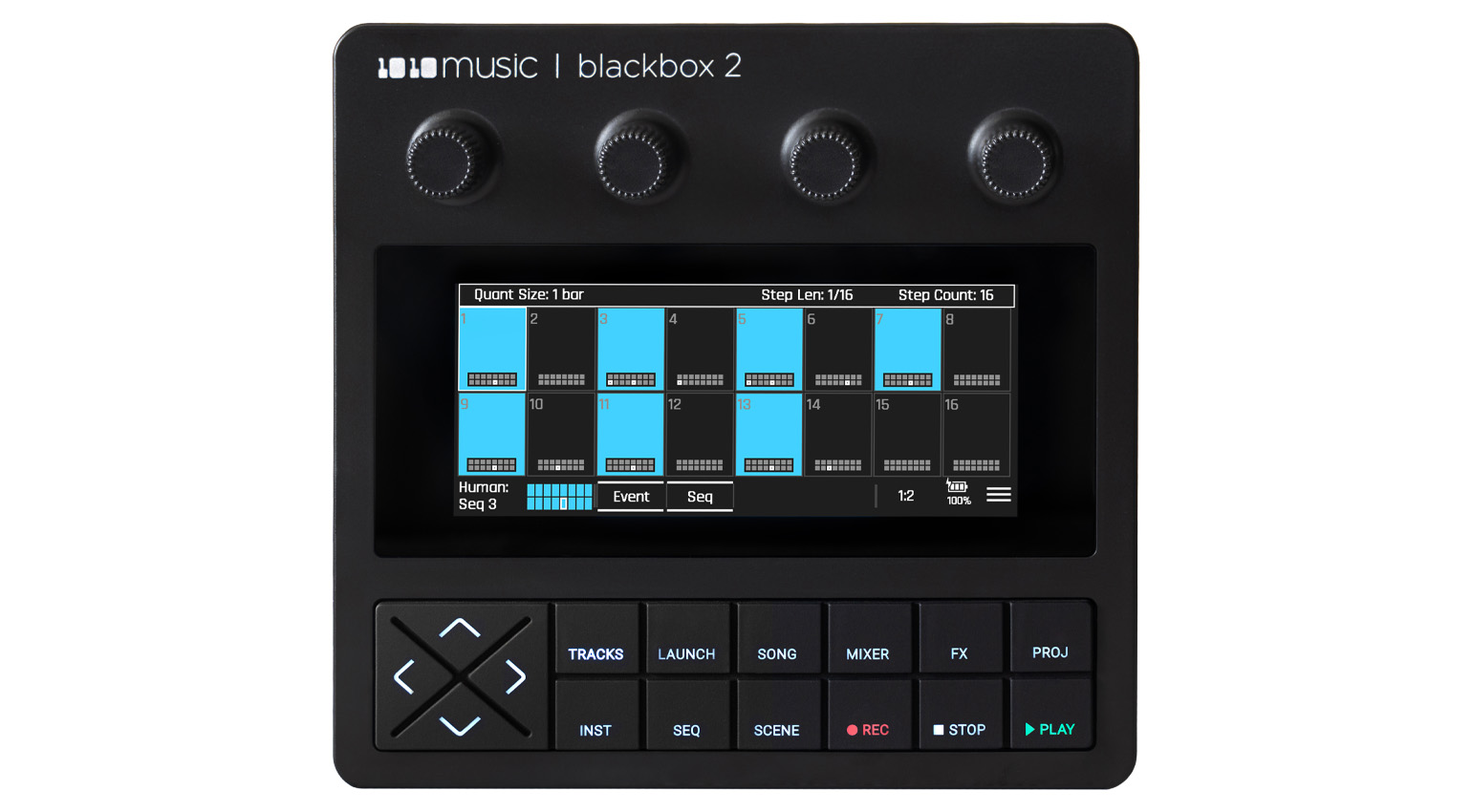
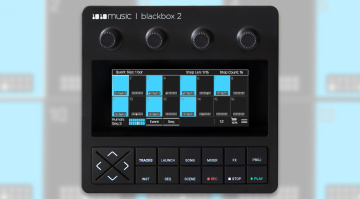
The 1010music Blackbox MK1 was succeeded by the Blackbox 2, which was announced at Superbooth and started shipping in the summer. Justin Joe keeps the predecessor alive with the custom firmware Blackbox Mod. It runs on top of 1010music firmware 3.1.9, so the stock features stay in place.
Sonically, the mod brings fidelity modes with SP-12, S950, and MPC60 character, plus 12-bit for gritty sound when you pitch samples down. You also get a resonant 24 dB filter, softer saturation, a granular delay called Munchi, an extra room reverb, and six compressor models from Glue to Limit. Pad 1 triggers four modulation sources, which lets you build ducking. For playing, there are 16 chord shapes that stay in your chosen scale, and the piano roll gets Elektron-style conditions from 1:2 to 8:8. Very cool!
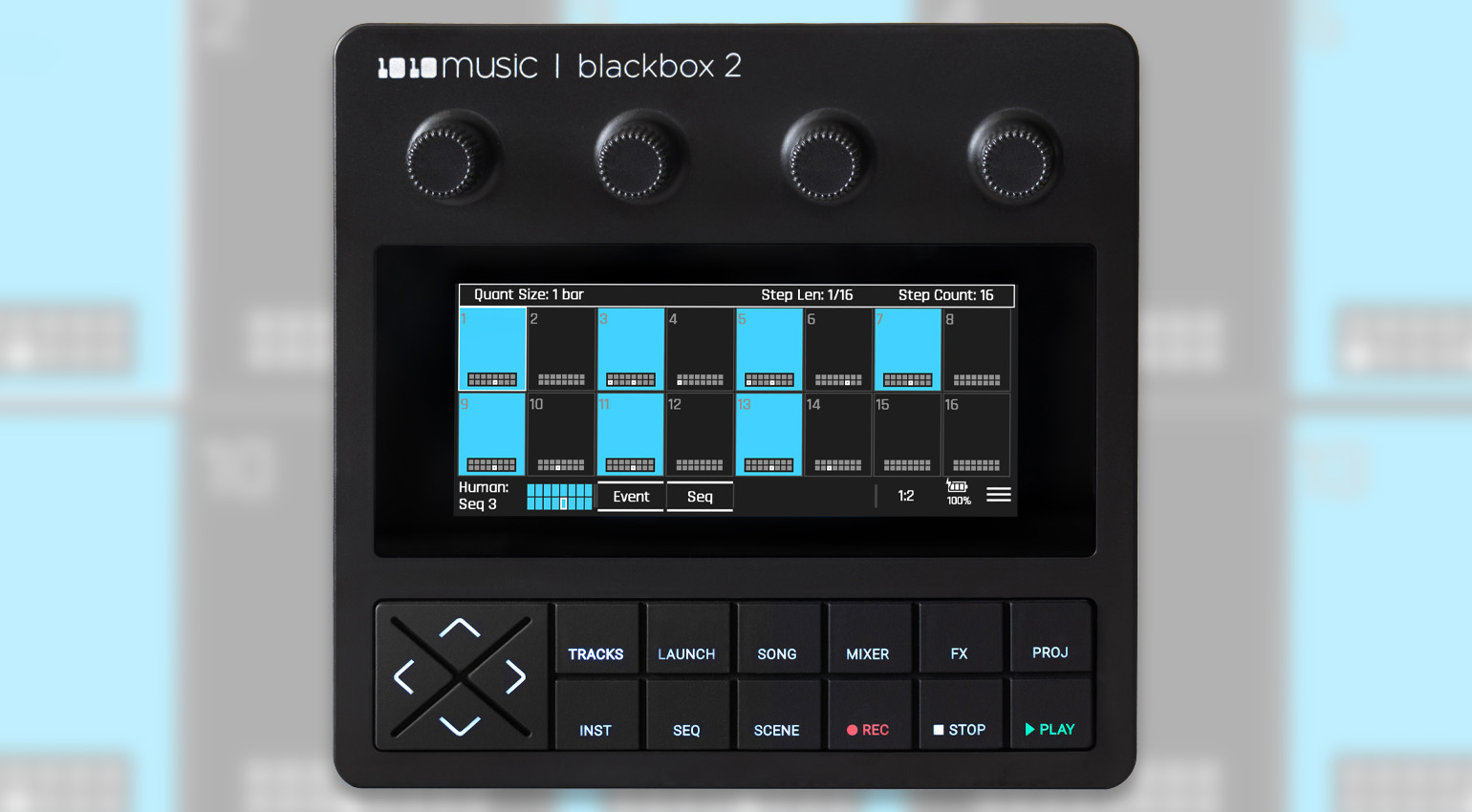
By his own account, Justin Joe wrote this custom firmware for his own use, so expect rough edges and a few features that don’t work perfectly yet. Keep that in mind.
The Blackbox 2 is available at Thomann* / Sweetwater*.

Akai MPC500: Open500 Retrofits a Classic
The Akai MPC500 dates back to 2007 and combines a 48-track sequencer, a 32-voice sampler, and twelve velocity-sensitive pads. Open500 by m45k is a custom firmware in the form of a small loader inside the official OS. Features then load as add-ons, just like WAV files. The HUB module manages them, and up to eight can run at once. No hardware surgery needed.
The custom firmware ships with seven modules ready to go. Input Thru passes an incoming signal through and pauses by itself while you sample. Auto Chop cuts loops into equal slices by BPM, and Trans-Chop hunts for transients and puts each hit on its own pad. Pad Tools handle swapping, copying, and clearing samples. Sample FX brings eight slots per sample with fades, gain, bitcrush, downsample, drive, vinyl crackle, and silence trim. On top come twelve live master FX in SP-404 style, from stutter to tape stop, plus a 16-step grid sequencer you can edit while it plays. The classic lives on, and how!
The MPC500 is long gone, but you’ll find current MPCs at Thomann* / Sweetwater*.
M-VAVE FM-1: A Pocket Synth Becomes a Groovebox
The M-VAVE FM-1 is a pocket FM synth for around 60 euros, and right now it’s the most popular target for custom firmware. Several custom firmware versions showed up within a few days. Two of them go way beyond new sounds.
X0X by Charles Vestal
Charles Vestal, the man behind Schwung for Ableton Move, built custom firmware called X0X, a kind of ReBirth for your pocket. It’s a fork of Leo Kuroshita’s Felucca firmware, takes over its platform, and brings a different set of instruments: a TR-909 with eleven voices, a TR-808 with 16 sounds, two TB-303s with TB-3PO acid generators, and a breakbeat generator by Mestela. All five parts run at the same time, each with its own sequencer, polymeter, and swing. Parameter automation, reverb and tape delay sends, and a master compressor with kick pump round out the package.
X0X is in beta, and you can tell. Dense patterns can push the processor to its limit, with the worst case at around 102 percent. At least the web installer can put M-VAVE’s firmware back, and an FM-1 that keeps crashing boots into safe mode.
Groove OS by Peter Gombos
Groove OS takes a different route: it costs 29 US dollars and isn’t open source. In return, this custom firmware gives you eight tracks with their own loop lengths and up to 20 voices, 12 of them FM and 8 virtual analog. Four engines are on tap: FM, VA, Acid, and a drum machine. The sequencer goes up to 64 steps and eight bars, with parameter locks, chance, and a dice function for quick variations. A perform page turns the keyboard into a set interface with scenes and punch-in effects. You can try the firmware right in your browser on the project page.
Naturally, the price is part of the FM-1 firmware story. The community’s first reactions to 29 US dollars for software on a 60-euro device are rather skeptical.
How Elektron Is Responding to Custom Firmware
On September 16, Elektron published a statement. In it, the company says its in-house Elektronauts forum isn’t the place to share hacks or promote firmware modifications, for current machines and older generations alike. That includes files, tools, repositories, instructions, and pointers to where to find them. Elektron removes posts like that. At the same time, it shows understanding for the curiosity, not least because tinkering is part of its own early story. General discussion about firmware modifications remains allowed.
As reasons, Elektron told the press about the wave of new, apparently partly AI-assisted custom firmware for current and older devices. Poorly tested software could damage units and put its intellectual property at risk, the company says. On top of that, links and instructions on the official forum could create the impression that Elektron signed off on every firmware. According to Elektron, long-standing third-party projects such as the Machinedrum X firmware are exempt. Everything else gets reviewed case by case.
So the statement doesn’t forbid modifying your own gear. It governs what may appear on the Elektronauts forum and on Elektron’s channels. Opinions on custom firmware in the community are split. Some want to use their gear the way Elektron intended and fear a flood of half-tested custom firmware plus the support burden. Others see custom firmware as freedom on your own device, and some report reviving their boxes without trouble after a failed attempt via bootloader and stock firmware. I’m staying out of this one on purpose. Both camps make fair points.
Warranty, Bricking, and Legal Questions: Where Custom Firmware Hits Its Limits
However slick the new features sound, flashing firmware is still surgery on your gear. Especially during the warranty period, be extremely careful. Faulty or untested custom firmware can brick a device, which simply shuts it down for good. Whether and how a unit can be rescued depends on the model and the project. Some developers point to recovery routes, but nothing is guaranteed. On top of that, several projects are still in alpha or beta, and other developers admit to rough edges themselves. Back up your projects and sounds before flashing, and keep the stock firmware ready. You won’t get a warranty from mod developers.
There’s also the legal side to keep in mind: using copyrighted firmware is not legal. Most projects ship without original files and require your own copy, but that doesn’t change this basic question.
The honest criticism of this whole wave: speed often beats diligence. With updates dropping every few hours, there’s hardly any time for testing, and a bricked Octatrack is no fun. How do you see it: would you risk your hardware for a few new features with custom firmware? Let us know in the comments.
More Information
*Note: This article contains affiliate links that help us keep Gearnews running. The price for you always stays the same! If you buy something through these links, we receive a small commission. Thanks for your support!

This might also interest you
One response to “Custom Firmware Is Booming: Mods for Octatrack, SP-404MKII, and More”

Great to see all these custom firmwares if you ask me. I only wish someone would make one for the Korg kp3