

Guitar String Changes: 7 Essential Steps for a Guitar Glow Up
This is what I use for the best DIY results

 3,3 / 5,0 |
Guitar String Changes: 7 Essential Steps for a Guitar Glow Up · Source: Alamy Stock Photo / Desintegrator

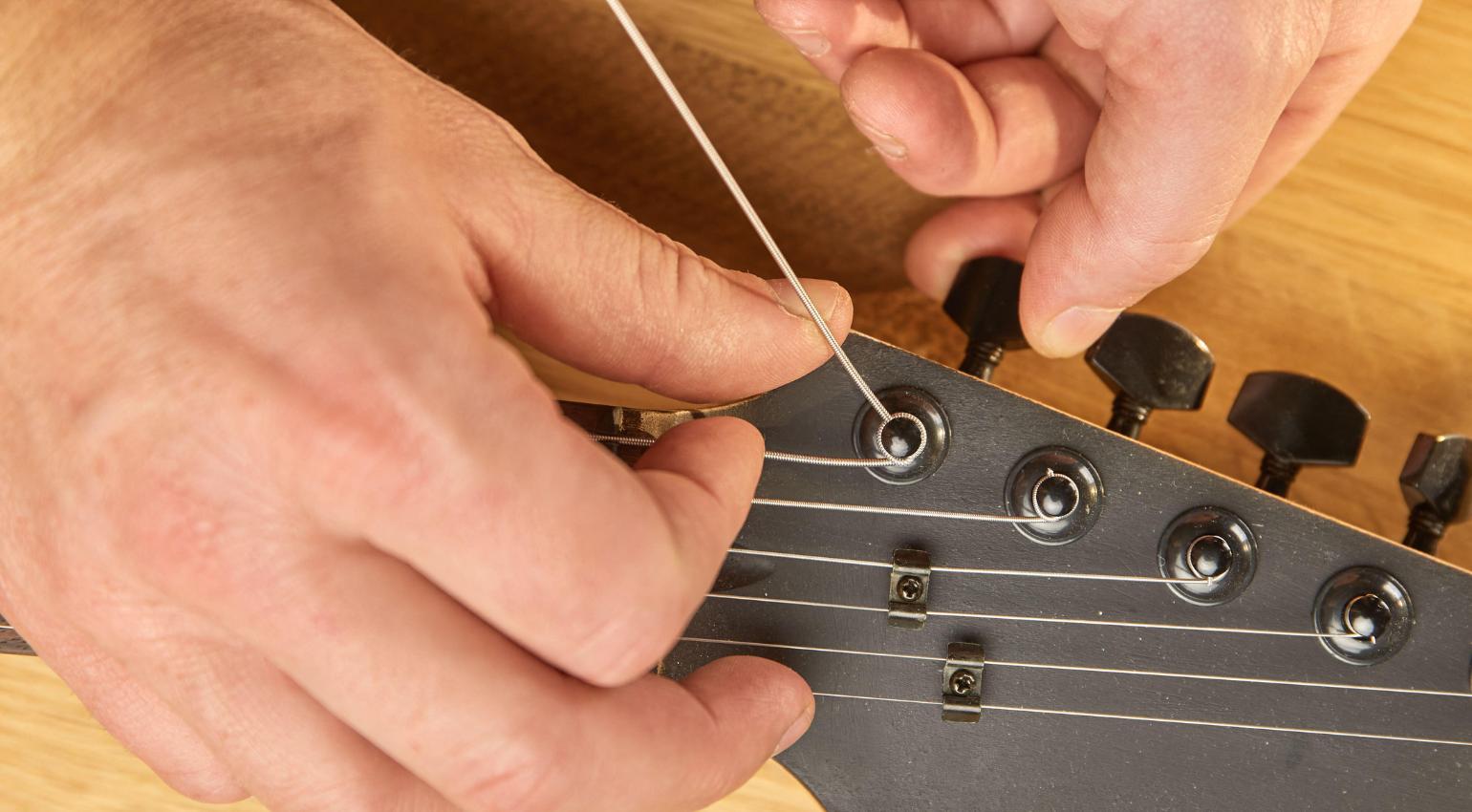
Guitar string changes are one of the most therapeutic and productive things that any player can do. A clean and a fresh set of strings can transform how your guitar plays and feels. Here’s what I like to use.
Table of Contents
All about Guitar String Changes:
- Guitar string changes make a huge difference to the overall playability of your instrument. It’s important to look after and maintain your guitars.
- If you play lots of guitars, then maintenance doesn’t need to be as frequent. However, if you spend all of your time playing one guitar, chances are you’ll need to carry out some guitar string changes more often.
- It’s impossible to just replace the strings on your guitar. The whole process involves cleaning and conditioning the body and neck with the correct products to ensure that your guitar is playing as it should.
Strings
First up when thinking about changing your strings, you actually need to have some in stock! As with anything in life, guitarists have preferences on thickness, brand, price, and any other made-up factors that they may wish to live by!
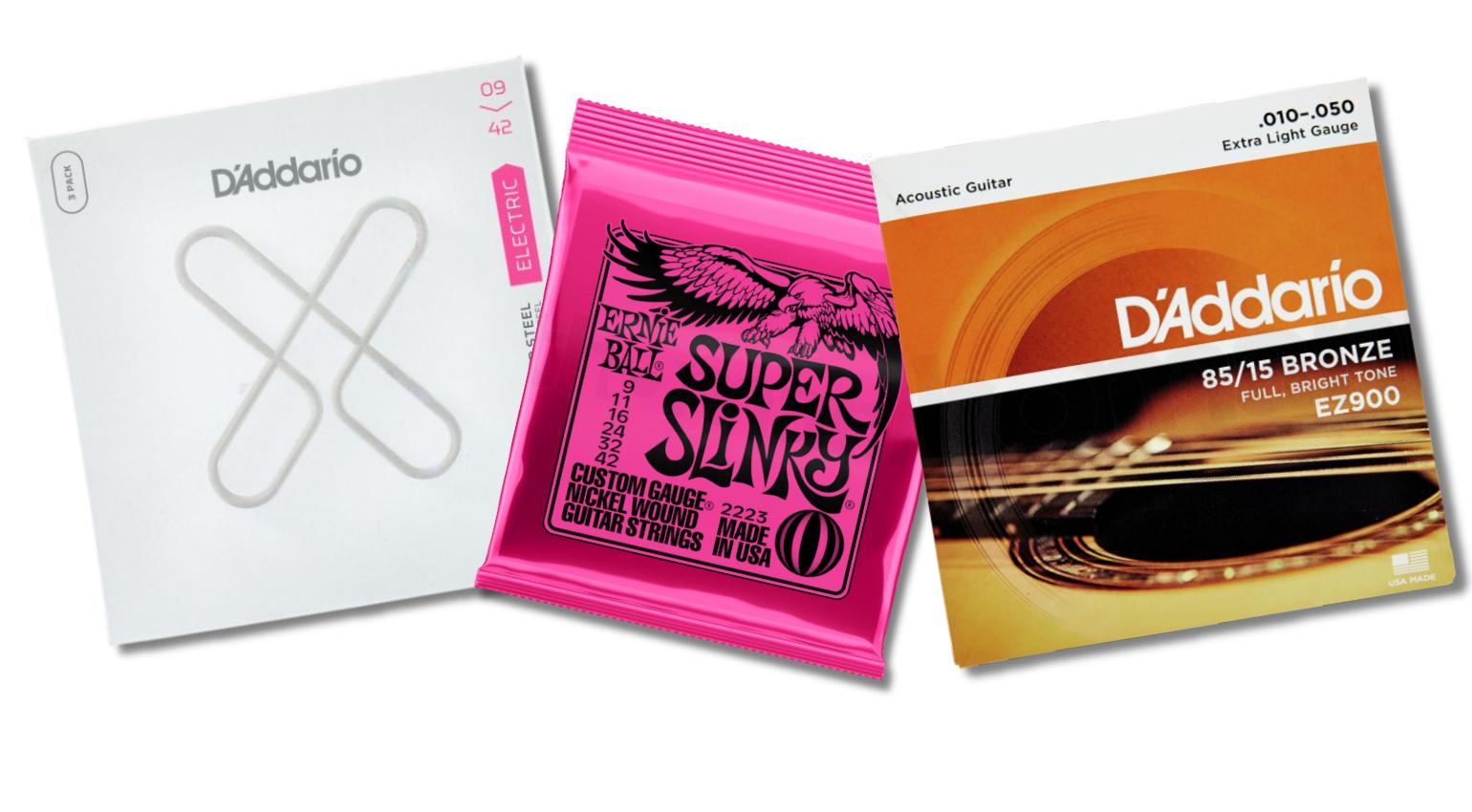
For me, I always like to live by the mantra: buy the best you can afford. Therefore, when it comes to guitar strings, I like to have various sets in supply. Personally, I will always have some budget sets lying around in the correct gauge for my guitar. This is to resolve accidental string breaks. *Harley Benton’s Value Strings are just perfect for this.
From here, I use expensive strings of my preference for my premium guitars when out gigging, and a middle-of-the-road set of strings in terms of quality and budget. Overall, it’s good to give yourself options for what’s financially viable and ideal for your playing.






String Winder
Once you’ve sourced the strings you want, you need to remove the old ones. Depending on how you wrap your strings and what tailpiece you have, the complexity of string removal can vary. However, a string winding tool will make your life easier regardless.
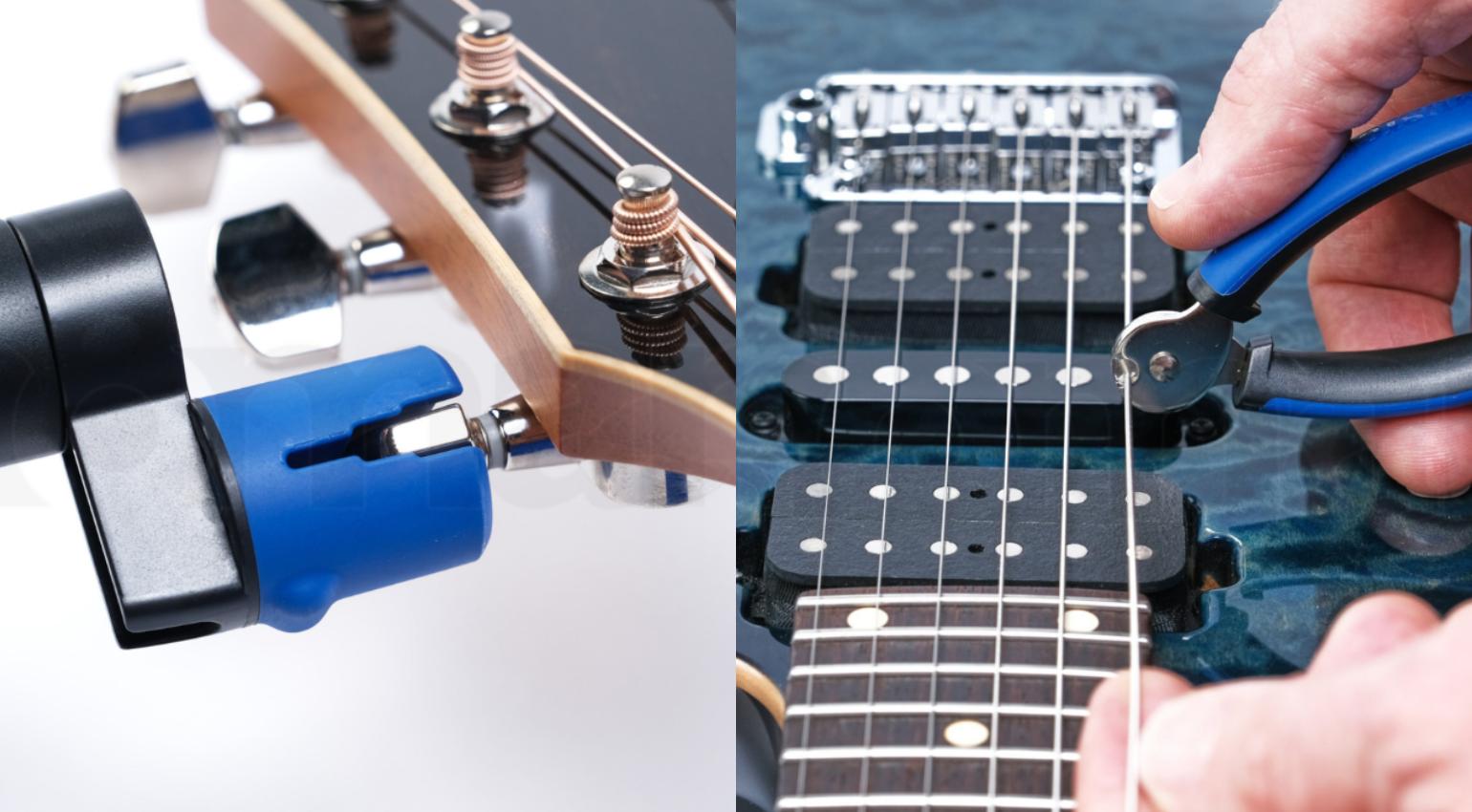
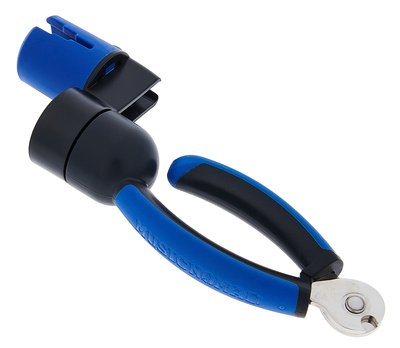
I am a huge fan of string winders! Believe it or not, I’ve only been using one for about two years. They make unwinding the strings from the headstock an easier and faster process. Furthermore, most of them come with a set of clippers that allow you to *cut your strings at the same time.
There are loads on the market; you can go for a *drill-like string winder that is electric, but be careful when using it, as it is easy to over-tighten your string. If you’re new to string winders, I’d recommend going for something manual, as they’re cost-effective and will easily fit in your gig bag. Overall, they’re an essential part of my guitar string changing set-up.



Lemon Oil
Thus far, we’ve removed the strings, so now that the fingerboard is exposed, it’s time to show it some love. Over the last six months, you’ve been rubbing your dirty fingers onto the metal strings. Therefore, that wood needs cleaning and conditioning.
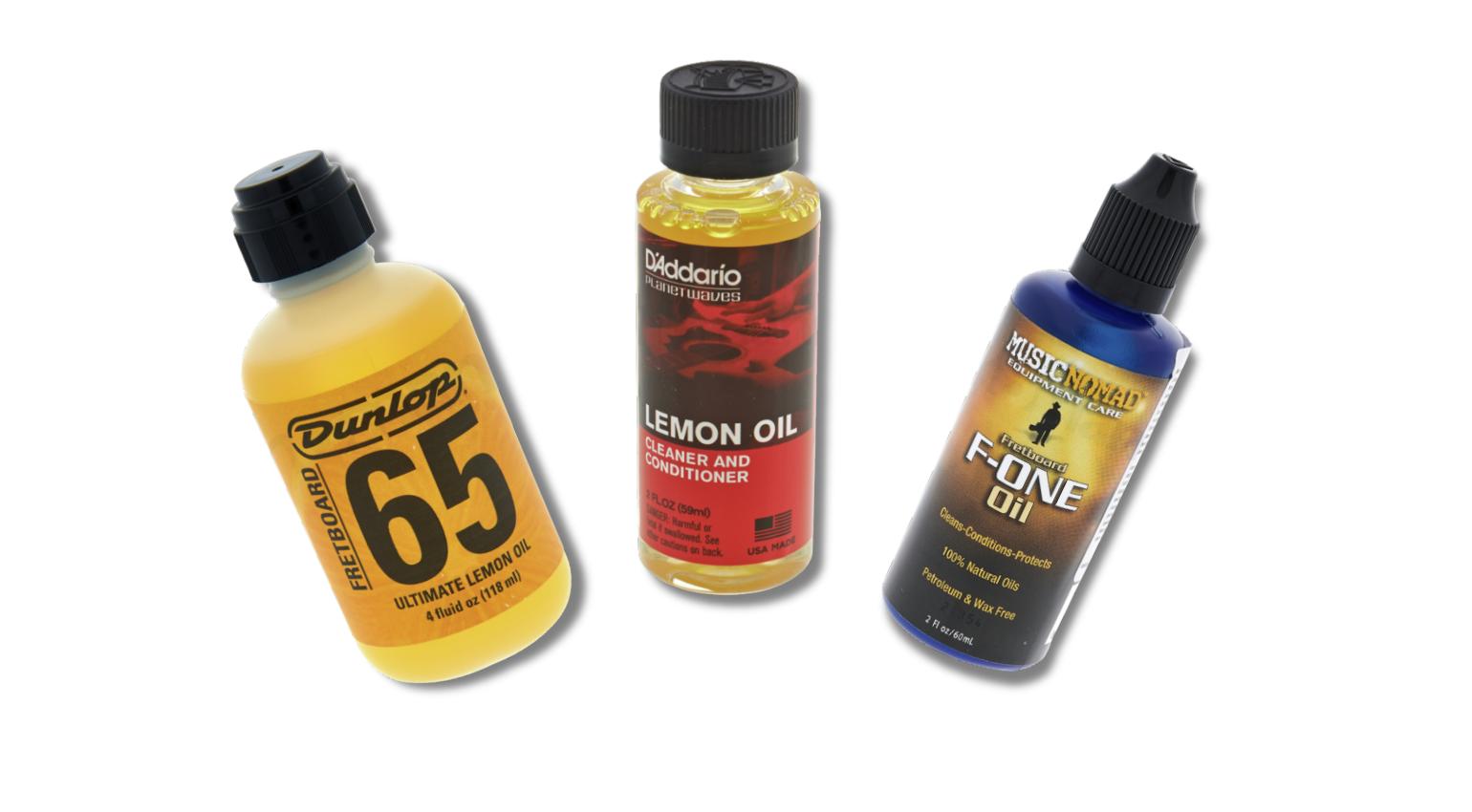
Applying lemon oil to the fretboard hydrates and conditions the wood, ensuring that it does not dry out. This is something that I aim to do with every string change. It makes the fingerboard last longer, and it just feels nicer to play.
There’s a school of thought behind avoiding lemon oil on maple fingerboards. I’m somewhere in the middle with this. My 22-year-old Telecaster has a maple neck and is very worn, but does respond well to a dose of lemon oil. What’s the best thing about buying lemon oil? You only need a few drops per guitar string change, so you can make it last for years and years. Making it one of the most cost-effective guitar accessories you can buy.



Cloths & Conditioner
Whilst you’re waiting for the lemon oil to dry, it’s time to take care of the eye candy. The body of a guitar is one of the most visually appealing parts of the instrument. So it’s important to keep it looking at its best.
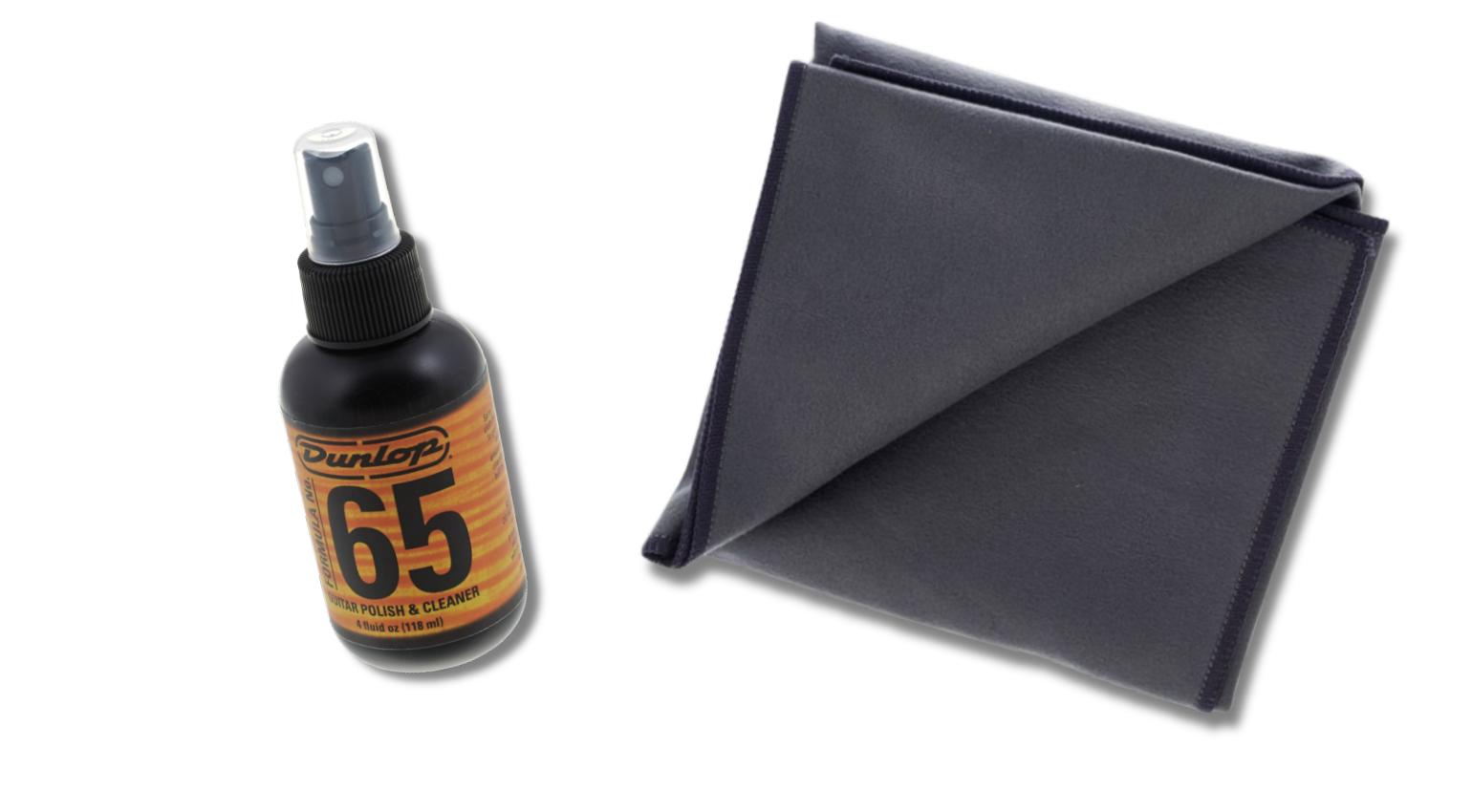
Whether it’s from perspiration, finger marks, pick dust, or even just dust from lack of use, you need to keep on top of the finish on your guitar. During every guitar string change, I like to clean areas that I can’t usually reach when the strings are installed.
Areas such as the chrome pickup covers, between the pickups and pots, and even under the bridge if I can. A quick squirt of a trusted *guitar cleaner or polish and a rub with a *microfibre cloth makes a world of difference. Although it’s always best to remove the dust before applying cleaner, because then you’re just swirling muck around your expensive top.




Graphite
There’s one final step before putting your fresh set of strings on during a guitar string change. It’s time to lubricate your nut. Steady! I’ve been doing this for many years, and I do think that it makes a difference. Let’s take a closer look at the benefits.
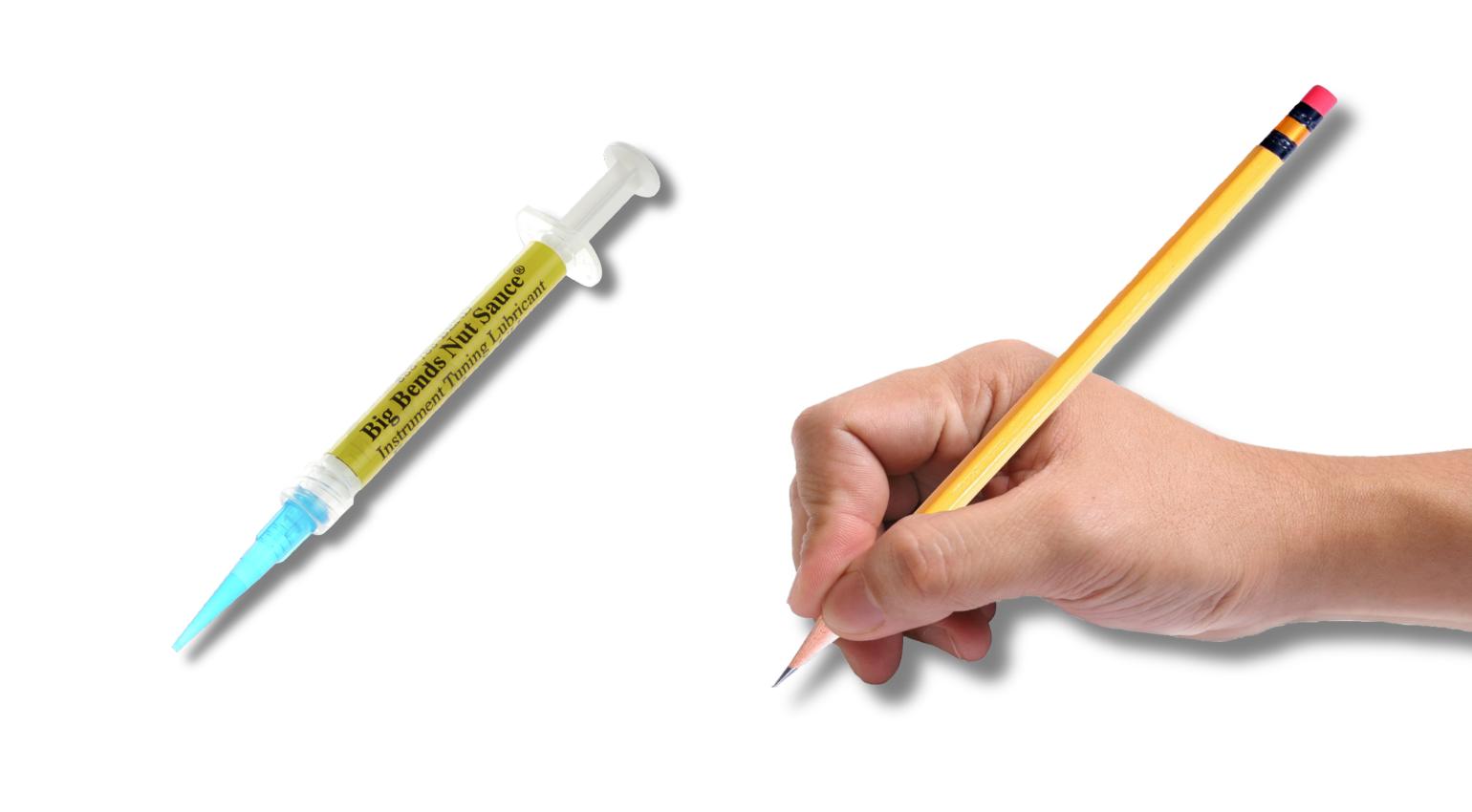
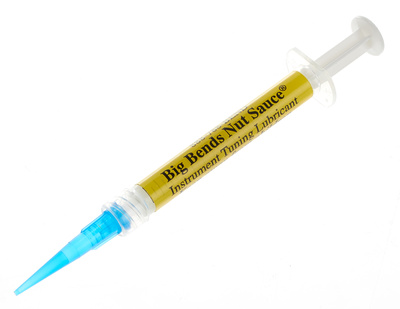
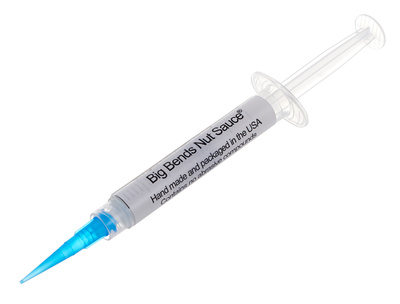
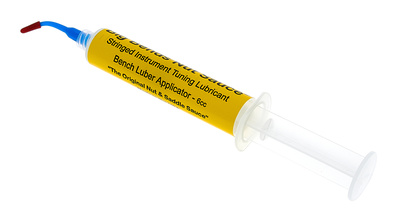
There are a lot of places where your strings come into contact with the guitar. From the bridge, we go up to the nut, perhaps into some string trees, and then into the posts. All of these limitations result in tension. String tension causes bad playing characteristics.
Therefore, by applying some lubricant into the six gaps within the nut, you’re reducing string tension. I’ve found that this aids with tuning stability. There are some great dedicated products to use specifically for this, but if you’re on a budget, a sharp pencil will also do the trick.

Tuner
Concluding our look at great gear for guitar string changes is something that you’ll need once you’ve got your new strings on. This has not been a how-to guide on how to change guitar strings, more an advisor on the gear you may wish to use whilst changing your strings.
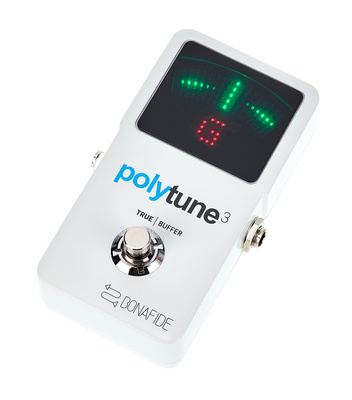
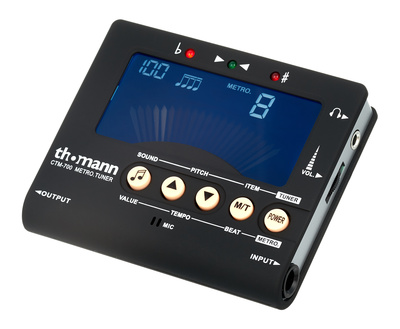
Great! You’ve got your new strings on; now you need to tune up. Be that a strobe, clip-on, or pedal tuner, you need one. Personally, I stay clear of the free mobile apps due to inaccuracies in intonation.


Videos
Further Information
*This post contains affiliate links and/or widgets. When you buy a product via our affiliate partner, we receive a small commission that helps support what we do. Don’t worry, you pay the same price. Thanks for your support!

This might also interest you