Hip-Hop Sampling: 3 Tools That Make Beat Creation More Fun

 3,5 / 5,0 |
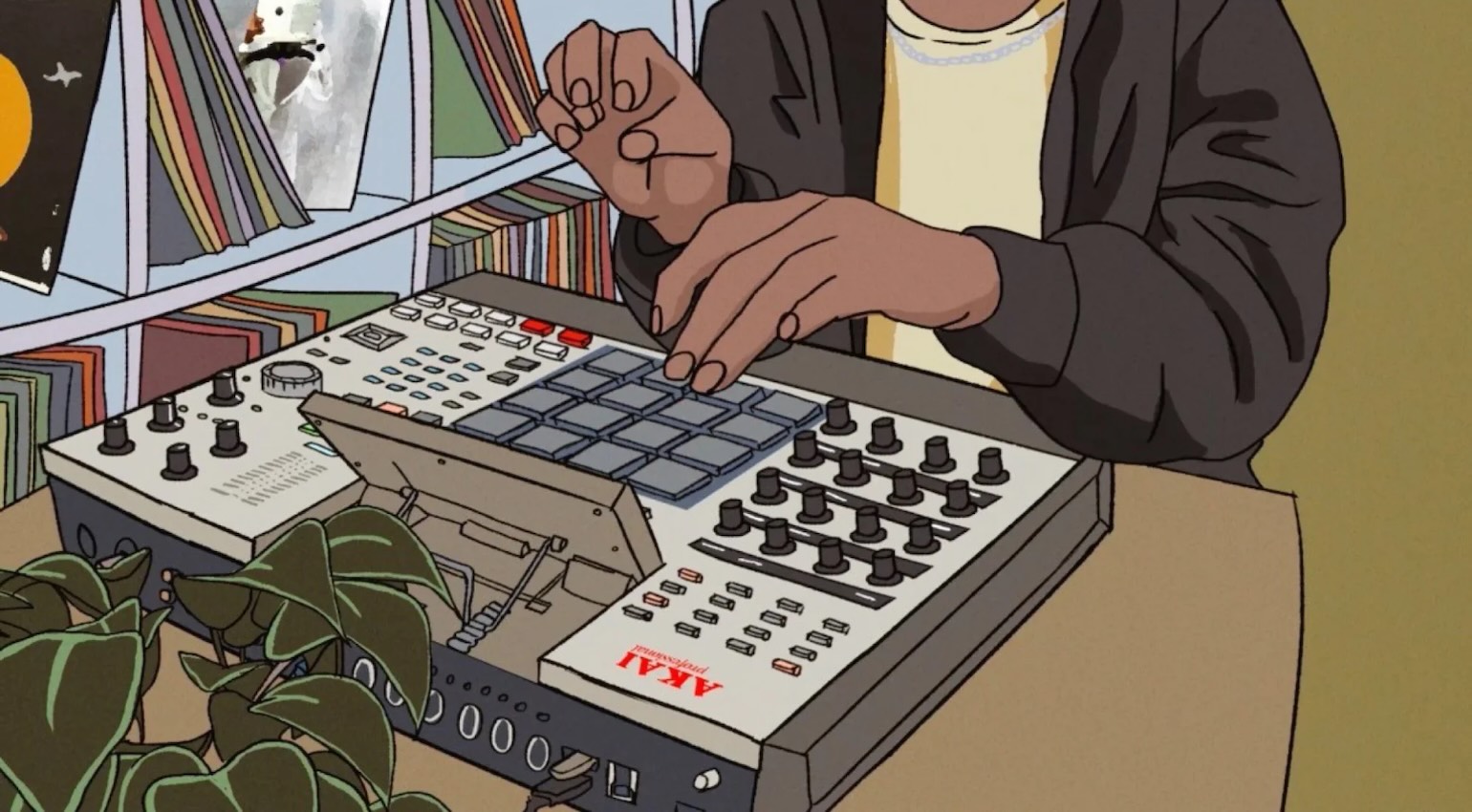
Hip-Hop Sampling: 3 Tools That Make Beat Creation More Fun · Source: AKAI Professional

As an art form, Hip-Hop Sampling goes back decades and has evolved from performance-based turntable techniques to precise DAW workflows.
In this Article:
The fundamental concept of sampling is to take elements from one or more songs and rearrange them in a new context. This process has its roots in DJing in the 1970s, as using two turntables gave you the freedom to mix and match styles of music, especially when pitch control became a more widespread feature, and you could change the tempo of one record to match another.
Hardware samplers took this concept to new heights in the mid to late 1980s, as tools from E-mu and AKAI made multitrack digital sampling far more accessible than it was before, with the help of drum machine-style sequencing. When combined with the DIY spirit of the Hip-Hop movement, the result was the diverse cultural phenomenon we know today.
Hip-Hop Sampling: Serato Sample
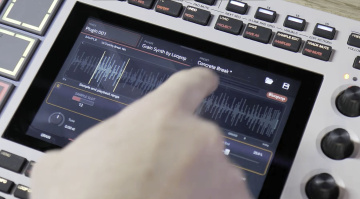
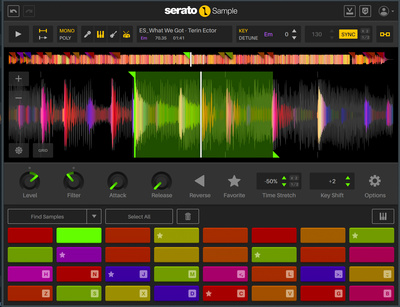
While most DAWs come standard with decent sampler plugins, Serato Sample offers expanded capabilities while staying true to a fluid beat-making workflow. The main advantage of Serato Sample compared to most samplers is its real-time stem separation engine that allows you to isolate or mute the various parts of a song.

This opens up the possibilities, because in cases where you previously had to look for acapellas or elements playing alone in sparse sections of a song’s arrangement, you can now take apart densely layered material to extract the part you need. What’s more, Serato’s powerful Pitch ‘n Time algorithm lets you change the key of the sample without affecting the timing.
This makes it easy to match samples to your DAW tempo, and you have the ability to change the song’s key further down the line with almost the same flexibility as MIDI. Meanwhile, the plugin’s pads let you assign slices to them, so you can quickly create a performance-oriented workflow from any song with suitable sounds.




Hip-Hop Sampling: Arturia AudioFuse Studio Rev 2
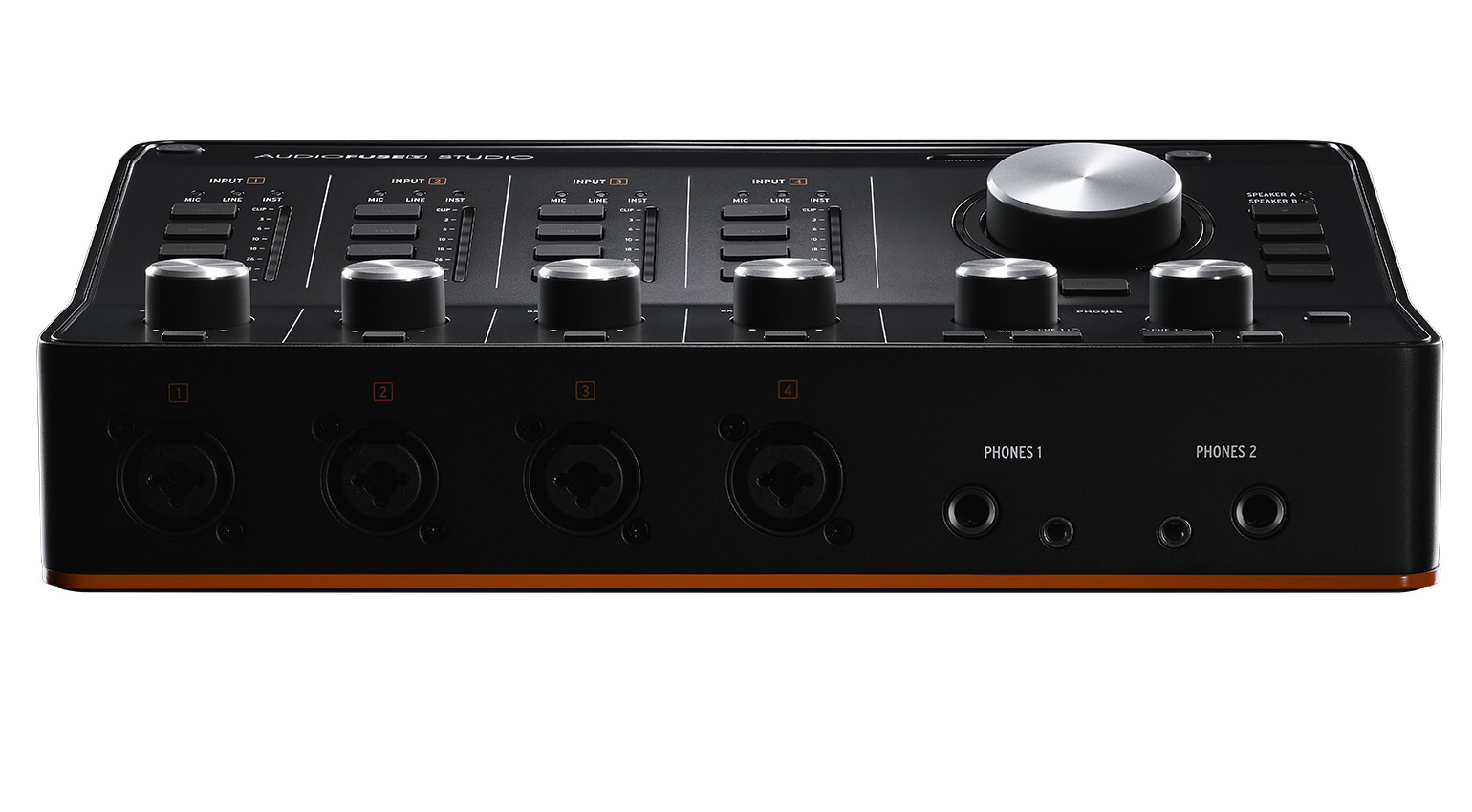
The AudioFuse Studio is one of the only audio interfaces that combines high-quality conversion, ultra-clean high-headroom preamps, and a phono input stage. That means you can run signals from your turntable directly into your DAW and sample your favorite records for your beat production workflow, while retaining the sonic integrity.
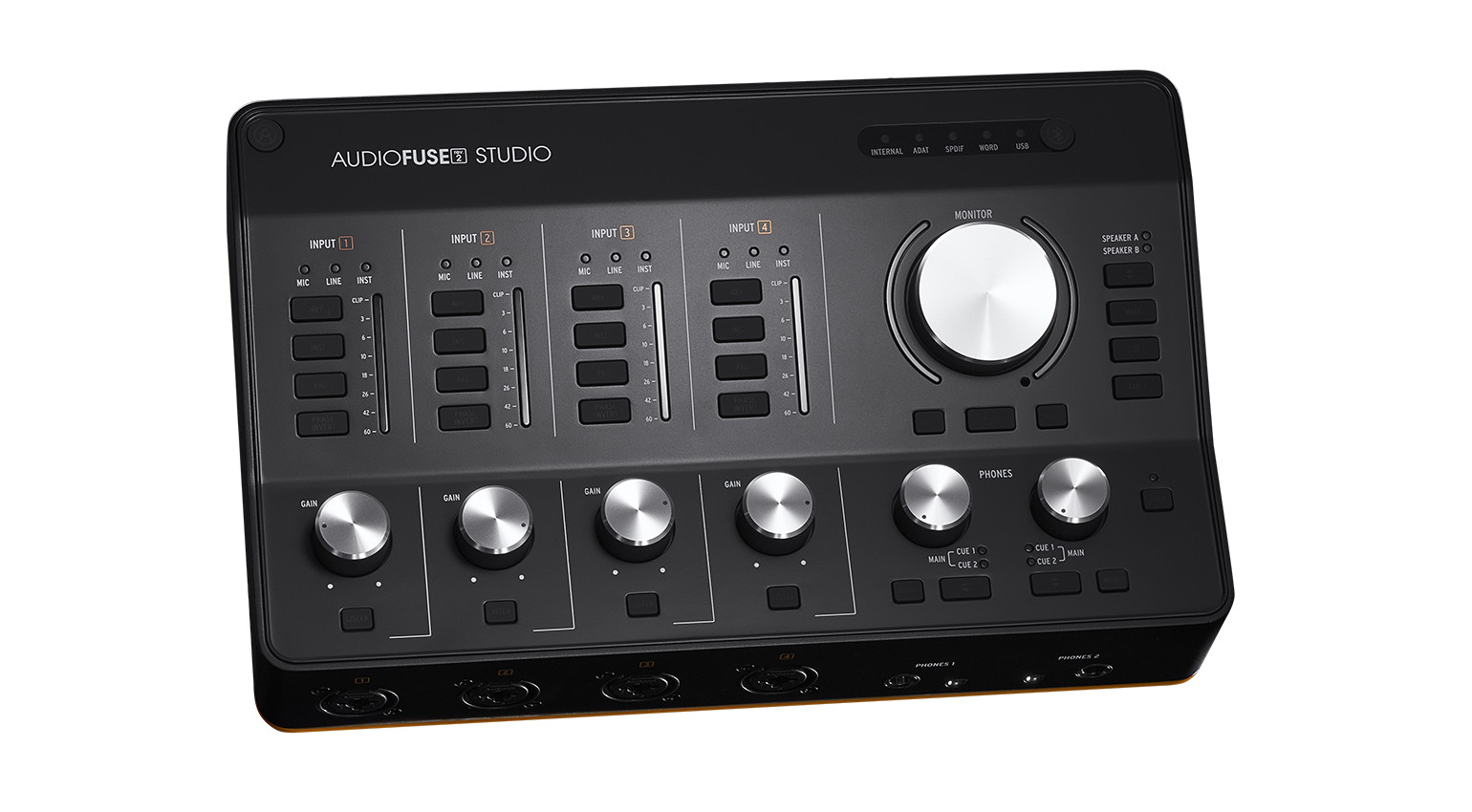
In addition, if you want to do things without a computer, the AudioFuse Studio runs as a standalone mixer, so you can run its main outputs into your favorite hardware sampler or groovebox. It also means you can use the AudioFuse Studio to listen to vinyl, which is an essential part of the process. So regardless of your sampling workflow, it becomes a central part of your operation.
What’s more, when it’s time to record vocals, you have excellent DiscretePRO preamps capable of driving even low-output mics like the SM7B. Then, for mixing and production, the AudioFuse Studio has separate outputs for two pairs of studio monitors, so you can switch between your more analytical and production-friendly speakers.

Hip-Hop Sampling: AKAI Professional MPC
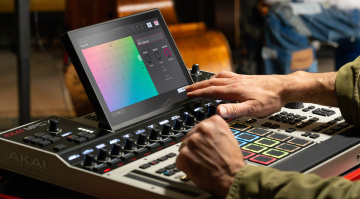
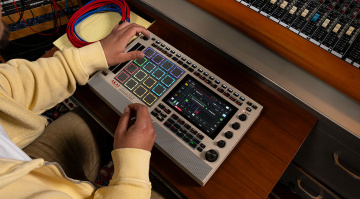
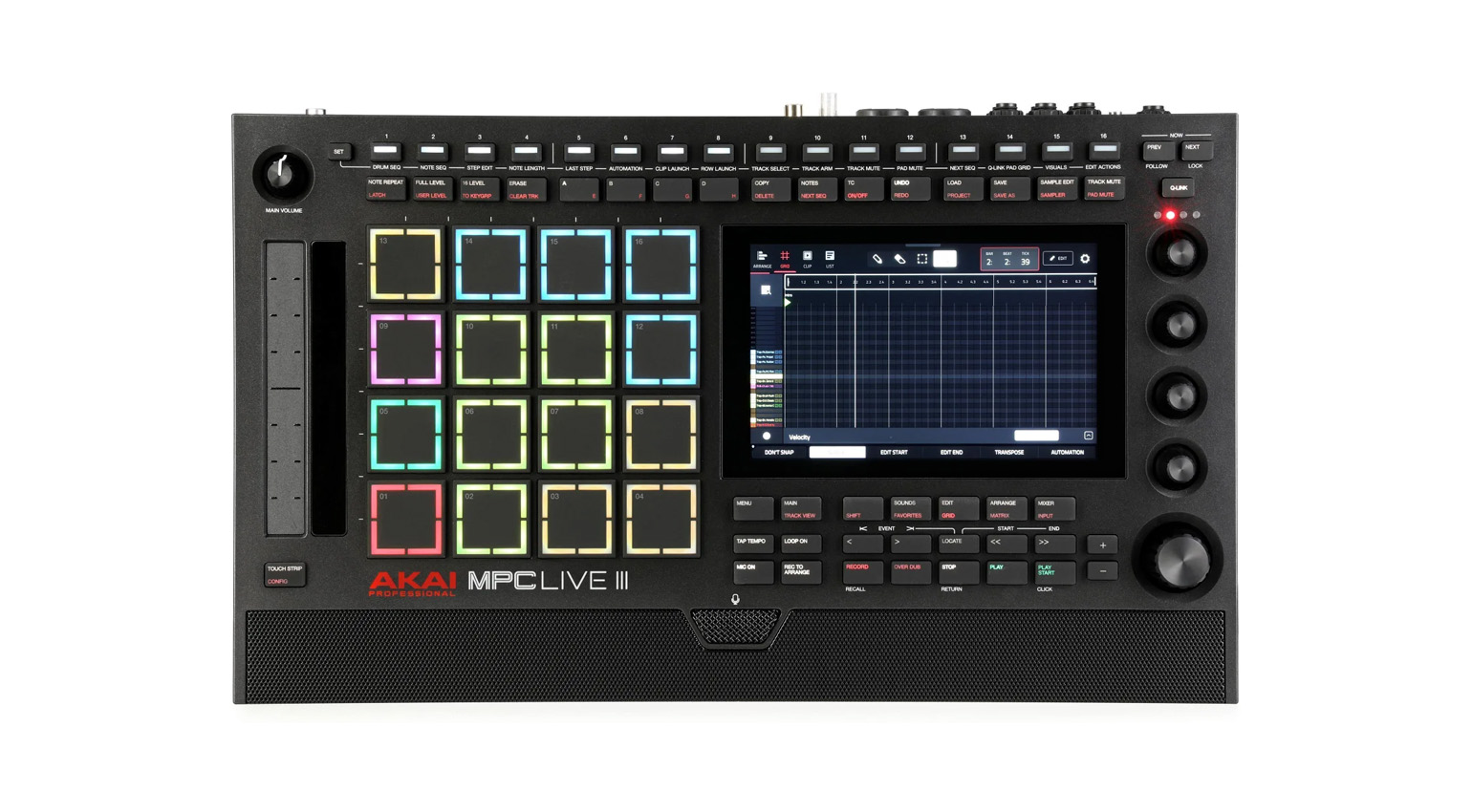
Nothing beats the classic button-bashing workflow of the MPC. With a legacy that goes back to the late 1980s, the MPC was one of the instruments that helped shape Hip-Hop music production with the creative immediacy of its interface. Today, the MPC range is as popular as ever, with so many different ways to approach this legendary instrument.

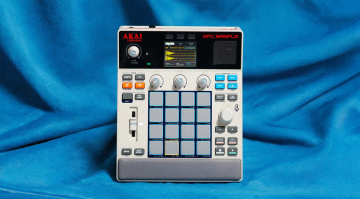
If you’re just starting out in production or you’re new to the hardware game, the compact MPC Sample is an accessible and affordable way to jump into the MPC world, and it offers extensive connectivity options for a device in its price range. The step up from this is the MPC One and MPC Keys with 8-core processing chips and touchscreen interfaces for navigation.
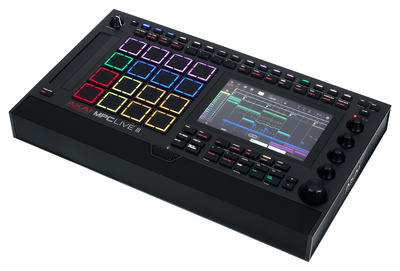
When you want an MPC that can be used as an instrument on stage, the MPC Live is the ultimate standalone groovebox with sampling, production, and performance workflows. Meanwhile, the flagship MPC XL gives you the most processing power and internal storage, as well as the most extensive I/O options.

Hip-Hop Sampling: Conclusion
No matter which tools you decide to use in your creative process, it’s the time and energy you spend searching through material to sample and the way you curate your sounds that will lead to more compelling music. The more you listen to different genres of music, the more you train your ears and learn how to discern rare and textured sounds from material that is more common.
Because the process of constructing beats uses pre-recorded material, there are very few rules that govern what you can and can’t do. Of course, copyright laws are enforced more strictly than ever, but we also have access to more tools than ever for transforming a sample into a sound that becomes your own.
More about Hip-Hop Sampling:
- More articles in the Perfect Match series
- Thomann’s Guide to Samplers*
- Read more about Sampling on Gearnews
*Note: This article contains affiliate links that help us fund our site. Don’t worry: The price for you always remains the same! If you buy something through these links, we receive a small commission. Thank you for your support!

This might also interest you